Physical Address
304 North Cardinal St.
Dorchester Center, MA 02124
Physical Address
304 North Cardinal St.
Dorchester Center, MA 02124
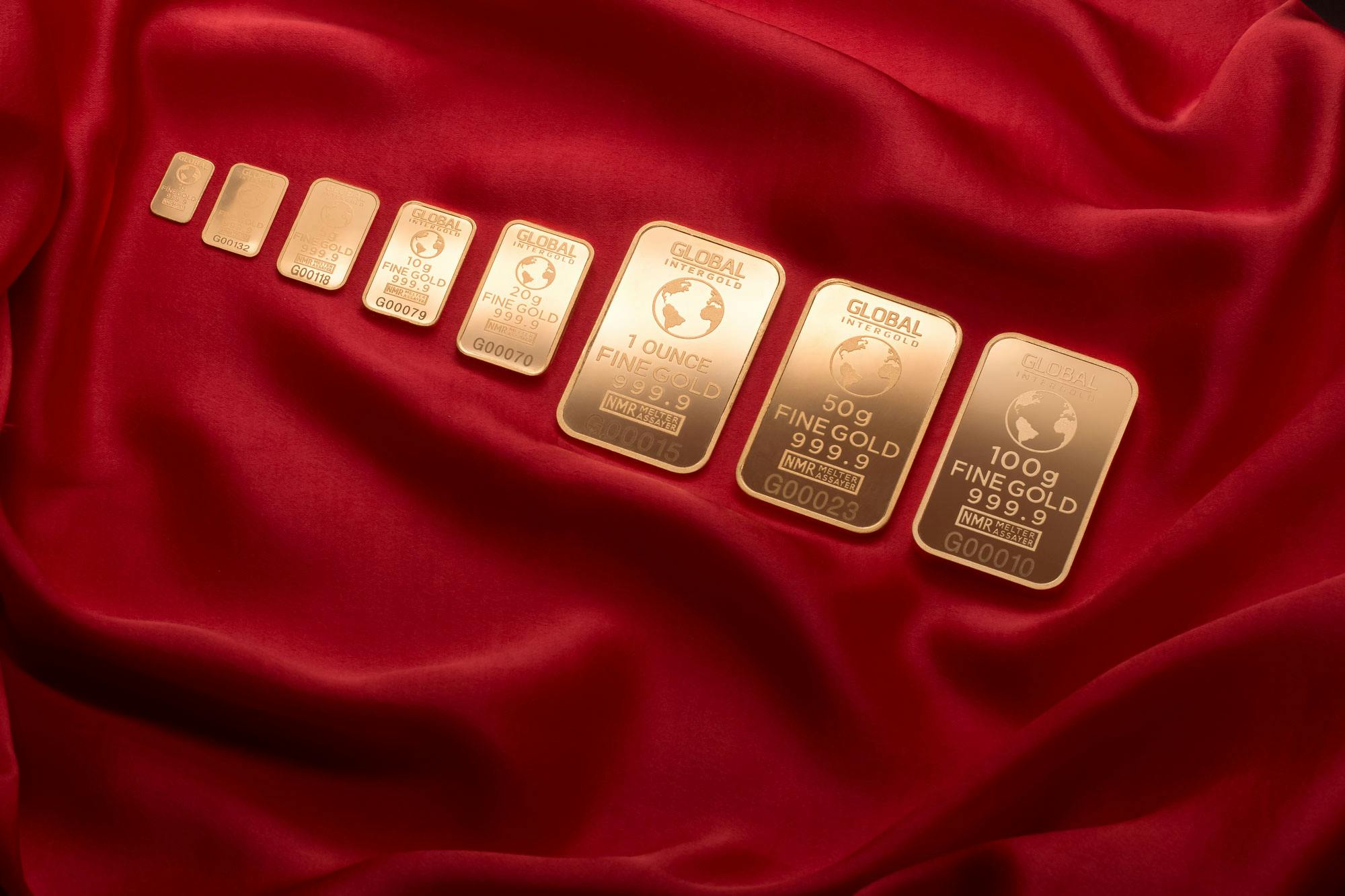
Gold just shattered the $5,500 mark. Silver pushed past $100 and is now trading above $104 per ounce. Moreover, both metals are posting their strongest monthly gains since the 1980s. Gold breaks highs once again.
If you’ve been watching from the sidelines, you’re probably wondering what’s driving this historic rally. Furthermore, analysts are publishing price targets that seemed impossible just months ago.
Here’s what’s actually happening in precious metals markets right now.
As of January 30, 2026, gold is trading around $5,110 per ounce after a pullback from recent highs above $5,500. Additionally, silver has surged to $104, down from record highs above $117 earlier this week.
The scale of these moves:
Therefore, this isn’t normal market volatility. Instead, we’re witnessing a fundamental shift in how investors view precious metals.
Several forces are converging simultaneously. Moreover, each factor reinforces the others, creating compounding momentum.
Central banks are accumulating gold at approximately 60 tonnes per month—far above the pre-2022 average of 17 tonnes monthly. Consequently, institutional demand is creating a structural floor under prices.
Goldman Sachs estimates central-bank purchases are now averaging around 60 tonnes a month, far above the pre-2022 average of 17 tonnes, with emerging-market central banks leading the charge.
Poland recently announced plans to increase gold holdings to 700 metric tons from 550 metric tons. Therefore, sovereign buying shows no signs of slowing.
The US dollar fell to four-year lows amid concerns about fiscal policy and Federal Reserve independence. Additionally, President Trump’s apparent tolerance for dollar weakness has accelerated the decline.
Meanwhile, geopolitical tensions remain elevated. Momentum picked up after President Trump dismissed the dollar’s slide to four-year lows, signaling tolerance for currency weakness despite ongoing tariff threats and renewed criticism of the Federal Reserve’s independence.
Consequently, investors are shifting capital toward hard assets like gold and silver.
Western ETF holdings have climbed by approximately 500 tonnes since early 2025. Furthermore, high-net-worth families are increasingly purchasing physical gold as a hedge against macro-policy risks.
Goldman Sachs sees the demand base for gold to have broadened beyond traditional channels. Western ETF holdings have climbed by about 500 tonnes since the start of 2025.
Therefore, demand isn’t just coming from traditional gold bugs anymore. Instead, mainstream investors are allocating meaningful portions of portfolios to precious metals.
Gold broke through major resistance levels that had capped prices for years. Additionally, the breach of psychological levels like $5,000 triggered momentum buying and short-covering.
As a result, technical traders piled in, adding fuel to fundamental drivers.
While gold grabbed headlines, silver’s performance has been extraordinary. Moreover, the metal has outpaced gold on a percentage basis.
Silver-specific drivers:
Industrial demand: Silver’s central role in the manufacture of chips and batteries, coupled with its recent recognition by the U.S. Department of the Interior as a critical mineral, is helping maintain its momentum.
Supply constraints: Physical outflows from London markets and falling reserves have created supply-side concerns. Consequently, buyers are paying premiums in Shanghai of around $10 above London spot prices.
Alternative to gold: As gold breaks highs, many investors—particularly in emerging markets—turned to silver as a more affordable precious metal. Its increasing popularity among lower-to-middle income buyers in emerging markets, who have been priced out of physical gold due to rising prices, and now see silver as a cheaper alternative.
ETF inflows: Societe Generale Commodities Research highlighted exchange-traded funds (ETFs) as a key driver of silver prices since last year.
Therefore, silver benefits from both investment demand AND industrial consumption—a unique combination among precious metals.
Major investment banks have been revising their forecasts higher repeatedly. Moreover, targets that seemed aggressive weeks ago are now being exceeded.
Goldman Sachs: Recently lifted their December 2026 gold forecast to $5,400 per ounce, up from $4,900 previously. The investment bank recently lifted its December 2026 gold price forecast to $5,400 an ounce, up from $4,900 previously, arguing that hedges against global macro and policy risks have become “sticky,” effectively lifting the starting point for gold prices this year.
UBS: UBS raised its XAU/USD price target to $6200 per ounce for March, June and September 2026, up from $5000. UBS expects prices to ease modestly to $5,900 by the end of 2026, following the U.S. midterm elections.
UBS upside scenario: UBS sees an upside scenario of $7200 per ounce and a downside case of $4600, noting that a more hawkish Federal Reserve could pressure prices, while a sharp escalation in geopolitical tensions could drive further gains.
J.P. Morgan: Forecasts gold approaching $5,000 by Q4 2026, with $6,000 possible longer term based on continued central bank and investor demand.
Therefore, even after the recent rally, analysts see further upside potential throughout 2026.
Nothing goes up forever. Moreover, understanding potential catalysts for pullbacks helps manage risk.
Federal Reserve hawkishness: If the Fed raises rates aggressively to combat inflation, the dollar could strengthen and real yields rise. Consequently, gold might face pressure.
Geopolitical resolution: De-escalation of current tensions would reduce safe-haven demand. Therefore, gold could sell off on peace developments.
Profit-taking: After massive gains, institutional investors may lock in profits. Additionally, retail investors who bought at highs might panic sell on corrections.
Technical exhaustion: Some indicators show overbought conditions. Furthermore, rapid moves often lead to equally sharp pullbacks.
However, analysts note that any significant pullback would likely attract buyers. UBS raised its 2026 demand forecasts for most sectors, with the exception of central banks, where it still expects purchases of about 950 metric tons.
Therefore, structural demand remains intact even if short-term volatility increases.
One remarkable aspect of this rally: physical demand hasn’t collapsed despite unprecedented prices.
According to the World Gold Council report “India Gold Market Update: Enduring Demand Strength” published on January 16, 2026, India’s physical gold market demonstrates remarkable resilience. Moreover, India’s December gold imports reached 35-40 tonnes despite a 6% rise in landed prices.
Additionally, coin sales in India nearly doubled as investors capitalize on momentum. Meanwhile, China’s physical demand remained resilient supported by seasonal factors.
Therefore, high prices haven’t destroyed demand—they’ve actually validated precious metals as legitimate stores of value.
Whether you’re trading gold or considering longer-term positions, this environment presents both opportunities and risks.
For traders: Volatility creates intraday opportunities. However, position sizing becomes critical as price swings amplify. Additionally, using appropriate stop losses protects against sudden reversals.
For long-term investors: Pullbacks may offer entry points. Furthermore, dollar-cost averaging into positions reduces timing risk. Moreover, precious metals allocation of 10-15% remains a reasonable portfolio hedge.
For those on the sidelines: Chasing parabolic moves is dangerous. Instead, wait for consolidations or pullbacks. Additionally, understand your investment thesis before entering.
For more guidance on [Deriv Options Trading: Your Complete Guide to Digital Options in 2025] and [http://thekingdomfunded.com], explore detailed approaches to navigating this volatile market.
Physical ownership isn’t the only option. Moreover, most traders access precious metals through financial instruments.
Available methods:
For active traders: Spot gold and silver on forex platforms offer leverage and tight spreads. Additionally, 24-hour markets provide flexibility.
Broker considerations: Execution quality matters significantly during volatile moves. Furthermore, spreads can widen dramatically during high-impact news.
If you’re looking to trade gold and silver with competitive spreads and reliable execution, consider opening an account with Deriv, which offers access to precious metals markets on professional trading platforms.
Gold and silver are experiencing historic rallies driven by legitimate fundamental factors. Moreover, major financial institutions see further upside potential despite already elevated prices.
However, volatility will remain extreme. Therefore, proper risk management becomes essential for anyone participating.
Whether you’re trading short-term moves or building long-term positions, understanding the drivers behind this rally helps make informed decisions. Additionally, staying updated on central bank activity, Fed policy, and geopolitical developments will signal potential trend changes.
Precious metals have reasserted themselves as critical portfolio components. The question now is whether this marks a new secular bull market or a speculative blow-off top.
Only time will tell—but the moves we’re witnessing will be studied for decades to come.
Comments are closed.





[…] For more information on http://thekingdomfunded.com and how to approach evaluations, check our comprehensive guides at Gold Breaks highs, $5,600??—What Analysts Are Predicting Next. […]